
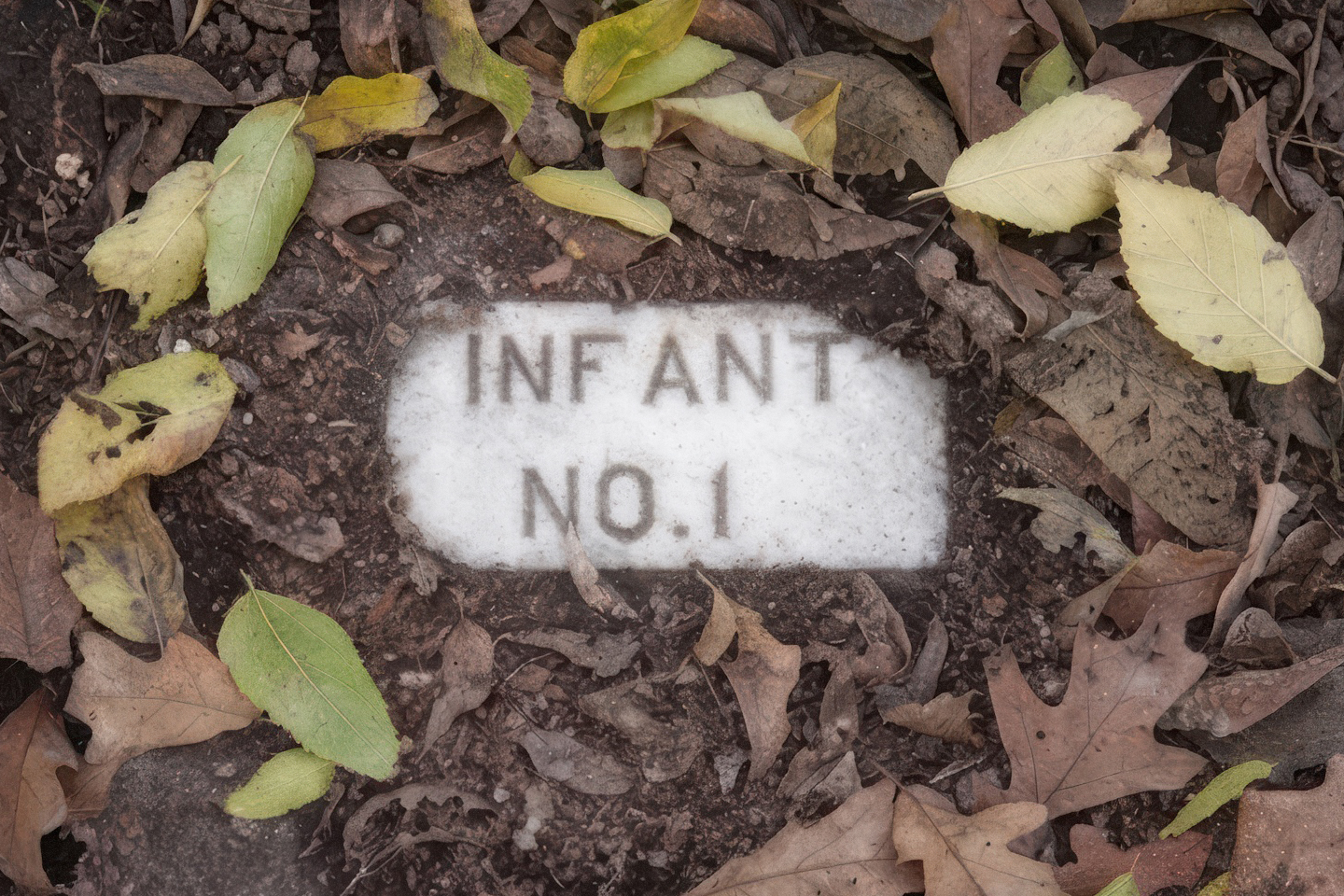
Whispers Beneath the Oaks: The Forgotten Babies of Berachah
Just beyond the buzz of traffic and the hum of campus life, a quiet piece of ground sits tucked behind an iron fence, shaded by oak trees and wrapped in silence. To passersby, it may seem like nothing more than an overgrown corner of land. But for those who know, this sacred space marks one of the most tender, complex chapters in Arlington’s history.
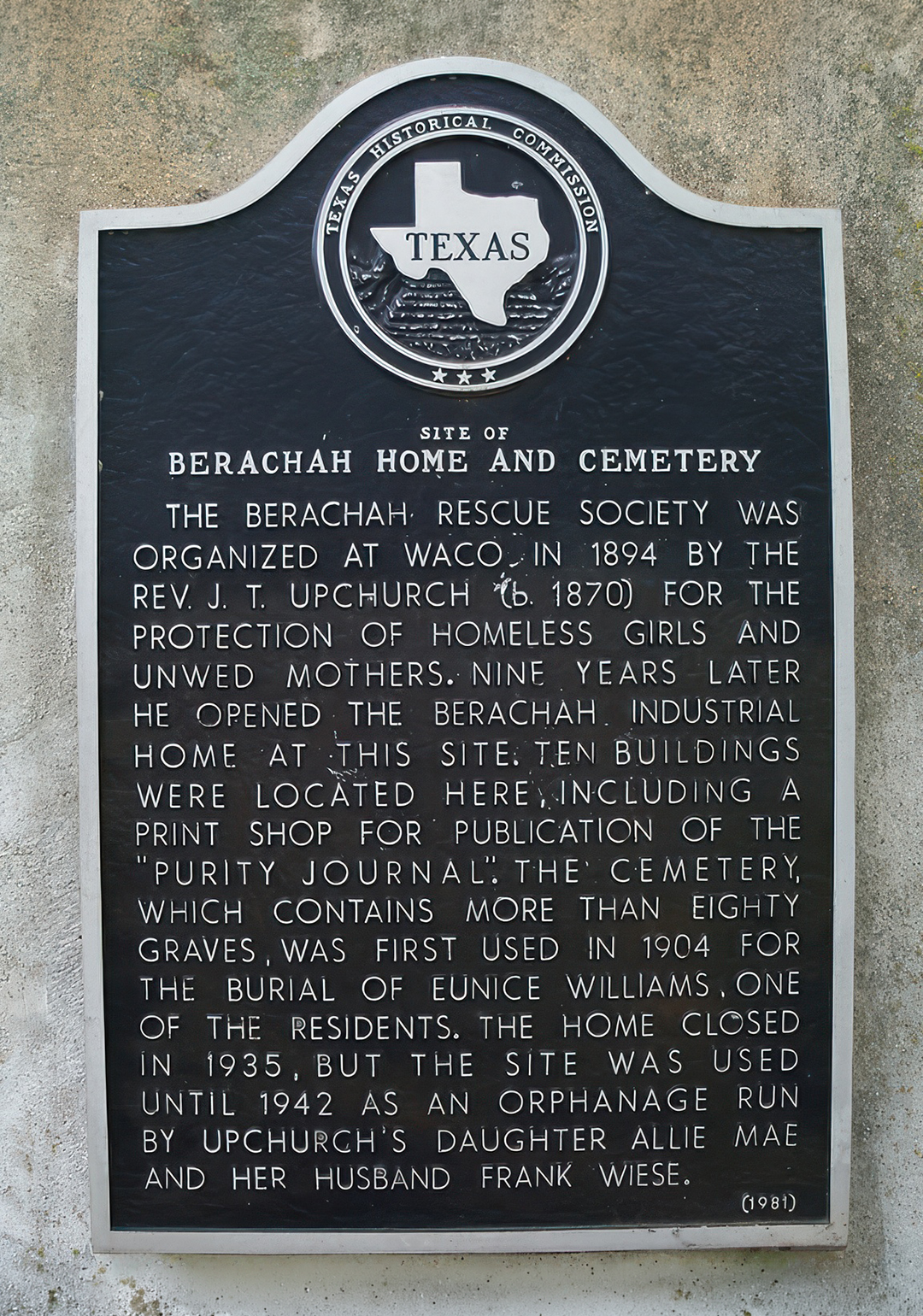
This is the Berachah Baby Cemetery, the final resting place of nearly 80 infants who died while living at or connected to the Berachah Home, a sanctuary for women and children at the turn of the 20th century.
A Sanctuary for the Shunned
Founded in 1903 by Methodist minister Rev. James T. Upchurch, the Berachah Industrial Home for the Redemption of Erring Girls was both controversial and compassionate. Located on what is now the western edge of the University of Texas at Arlington campus, the Berachah Home offered refuge for women who had been cast out due to unwed pregnancies or involvement in sex work.
But unlike other homes of its kind at the time, Berachah made a bold choice: it did not separate mothers from their children. Residents were encouraged to raise their babies, gain education, and learn skills, offering a rare chance at stability and dignity during an era when such women were often discarded by society.
A Cemetery Tied to Compassion and Loss
As progressive as the Berachah Home was in its philosophy, it could not shield its residents from the harsh realities of early 20th-century life. The infant mortality rate was high. Malnutrition, limited medical care, and the stresses of poverty and trauma made survival difficult.
Behind the home’s main buildings, a small cemetery grew, quietly, humbly, and with little fanfare. Some of the grave markers include names and dates; others are small and anonymous, worn by time. Each stone represents a life short-lived, but not forgotten.
The cemetery, now enclosed in black fencing, sits along Nedderman Drive and Cooper Street, adjacent to modern offices and student facilities. Many in Arlington pass it daily without knowing its significance.
A Campus Built on Sacred Ground
In the years following the closure of the Berachah Home in the 1930s, the land was absorbed by what would become UT Arlington. Most of the original buildings are gone, but the cemetery remains, one of the few visible traces of the Berachah mission.
Standing in the space today, with the city pulsing nearby, one can feel the weight of memory. The oaks that tower above seem to shield the little markers from time itself.
Why It Matters
To remember the Berachah babies is not only an act of historical preservation, but also an act of care. Their short lives speak volumes about how society treated women and children deemed “undesirable.” Yet the very existence of the Berachah Home suggests another truth: that compassion, even radical compassion, was possible.
It is tempting to relegate the Berachah Cemetery to the category of "sad relic," but doing so flattens its meaning. Instead, it should be seen as a monument to survival, to resistance against abandonment, and to the power of offering refuge when others refuse.
A Call to Reflection
If you find yourself near UT Arlington’s campus, consider pausing at the gate of the Berachah Baby Cemetery. Read the names that remain. Listen to the wind in the branches. Know that beneath the oaks lie stories that shaped Arlington, not the ones we always tell, but the ones we must not forget.
Author's Note
As a board member of the Arlington Historical Society and someone who walks near this site regularly, I feel the quiet pull of this space. It has become more than a historical footnote to me, it is a place of pause, of prayer, and of deep personal reflection. These babies may not have lived long, but their presence still speaks. It is my hope that their story continues to be heard.